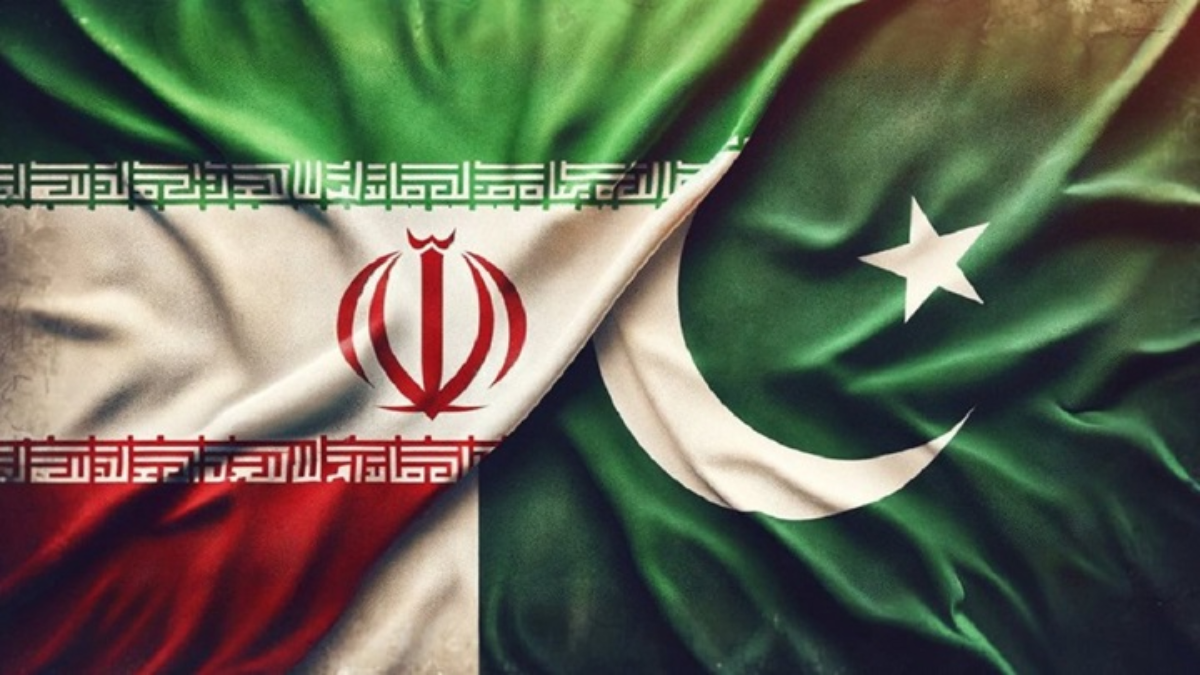


Attacks by Yemen’s Iran-backed Houthi rebels on Saudi Arabia this week have increased tensions in Pakistan and could pull Islamabad deeper into the conflict, complicating its efforts to maintain a mediating role between the United States and Iran.
Pakistan, a nuclear-armed country that helped facilitate an interim agreement last month between Washington and Tehran, has a mutual defence pact with Saudi Arabia signed last year. Thousands of Pakistani troops are stationed in the kingdom, along with a squadron of fighter aircraft.
Islamabad had already expressed concern over Iranian strikes targeting Saudi Arabia earlier this year. However, regional analysts and officials said this week’s Houthi attacks have intensified Pakistan’s frustration with Iran by raising fears of a renewed Saudi-Houthi confrontation.
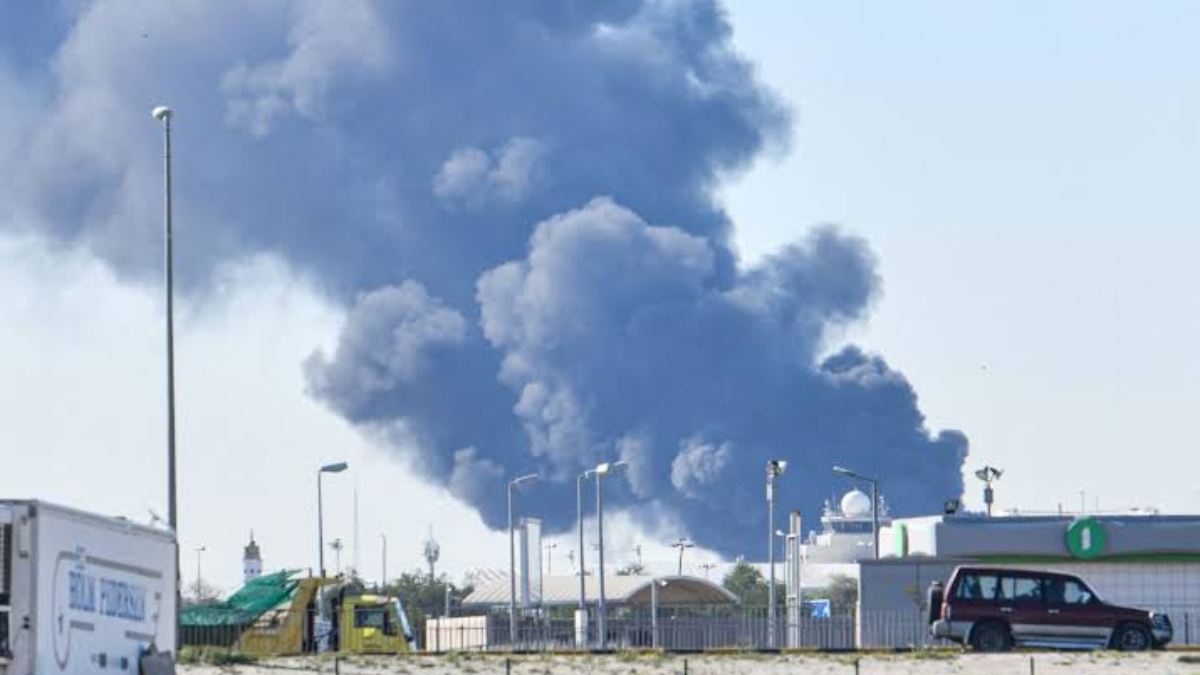
The Houthis launched missile attacks on Saudi Arabia after accusing Riyadh of bombing an airport under their control on Monday. The incident ended a four-year period of relative calm along the border, though the exchange has so far remained limited.
"Our top civil and military leaders have conveyed to Iran at the highest level that the attacks on Saudi Arabia are attacks on Pakistan," a Pakistani official told Reuters. "It is our red line."
The official, along with other Pakistani officials interviewed for the report, spoke anonymously because they were not authorised to make public comments.
"Pakistan wasn't anticipating that the tensions will rise so suddenly," said Muhammad Amir Rana, a Pakistani security analyst.
Pakistan’s concerns appear to stem from the possibility that Houthi involvement could create a greater risk of direct Pakistani involvement than the Iranian missile attacks earlier this year. Two Pakistani officials said Pakistani troops are stationed close to the Saudi-Yemen border, leaving them more exposed to any escalation.
Islamabad is also worried that an expansion of Houthi operations could affect shipping routes in the Red Sea, a major trade corridor relied upon by Pakistan and several other countries. A broader conflict could become harder to contain and may threaten Saudi interests in a way that forces Pakistan to respond militarily under its defence agreement.
Retired Pakistani general Ghulam Mustafa said the country’s leadership is currently attempting to maintain balance between all sides.
"Pakistan's top leaders are still engaged in appeasing all stakeholders," he said, while warning that the situation could change "if the Houthis expand the radius of their attacks in Saudi Arabia."
The latest tensions between the Houthis and Saudi Arabia have also deepened concerns in Islamabad about developments inside Iran.
Two Pakistani government officials said authorities have been monitoring what they described as increasing divisions within Iran’s leadership.
According to the officials, differences have emerged between Iran’s political leadership, including President Masoud Pezeshkian, Foreign Minister Abbas Araghchi and Parliament Speaker Mohammad Bagher Ghalibaf, and the Islamic Revolutionary Guard Corps.
"The military seems to be dominating the decision making in Iran," said Muhammad Ali, a Pakistani defence analyst, adding that this view is increasingly "being recognised in Islamabad."
The escalation also contributed to delays in a previously unannounced visit by an Iranian delegation to Islamabad, according to two Pakistani officials.
The delegation, led by Interior Minister Eskandar Momeni, arrived in Pakistan on Wednesday, two days later than originally scheduled. Officials said discussions were expected to include talks related to the US-Iran agreement.
Pakistan’s foreign ministry and military media wing did not immediately respond to requests for comment.
Foreign ministry spokesperson Tahir Andrabi said on Thursday that Pakistan was urging all sides "to exercise maximum restraint" and stressed that "there is no alternative to sustained engagement, dialogue, and diplomacy."
Balancing Regional Influence and Security Ties
As Pakistan attempts to expand its diplomatic role in the region, analysts say the country is also confronting the risks that come with greater involvement.
When Pakistan and Saudi Arabia announced their defence agreement last September, it was viewed by many as a sign that Gulf Arab states were becoming less confident about relying solely on the United States for security guarantees and were exploring closer partnerships with Pakistan and other countries.
At the same time, Pakistan remains heavily dependent on Middle Eastern nations for energy supplies. Disruptions around the Strait of Hormuz affected Pakistan’s fuel routes, prompting the government to introduce emergency measures, including earlier business closures, to avoid shortages.
Analysts and Pakistani officials said Islamabad’s mediation efforts between Washington and Tehran have been driven not only by diplomatic ambitions but also by the need to restore stable supply routes.
"Yes, there is frustration, but that doesn't mean that we are abandoning this project," one official said, referring to the mediation efforts. "We have invested a lot in it, and we have an interest in keeping it afloat."
However, Pakistan has rarely faced a situation where it appeared closer to choosing sides.
"It's in everyone's best interest for the war to end," said another Pakistani source familiar with the mediation efforts. "But if Saudi calls us in, we will stand by them and there is no doubt about that."
Also Read | UK Labour Party Set to Confirm Andy Burnham as UK Prime Minister